-
الزجاج المذاب إلى خزانات الفولاذ (596)
-
خزانات الفولاذ المقاوم للصدأ (434)
-
خزانات الإيبوكسي المستعبدة الانصهار (592)
-
خزانات الفولاذ المصنوعة من الصلب (321)
-
أسطح قبة الألومنيوم (1316)
-
خزانات تخزين مياه الصرف الصحي (231)
-
خزانات صلبة مصفحة (457)
-
أوعية الضغط (295)
-
الهاضم اللاهوائي (201)
-
خزانات المياه الصناعية (349)
-
خزانات فولاذية مغلفة بالزجاج (180)
-
خزانات الصلب المسدودة (390)
-
خزان تخزين الحمأة (115)
-
خزان تخزين الغاز الحيوي (173)
-
خزانات التخزين (133)
-
خزانات تخزين المياه الزراعية (179)
-
خزان مياه الحريق (166)
-
صوامع تخزين الحبوب (146)
-
مشاريع الغاز الحيوي (425)
-
مشاريع معالجة مياه الصرف الصحي (788)
-
سقف غشاء مزدوج (223)

|
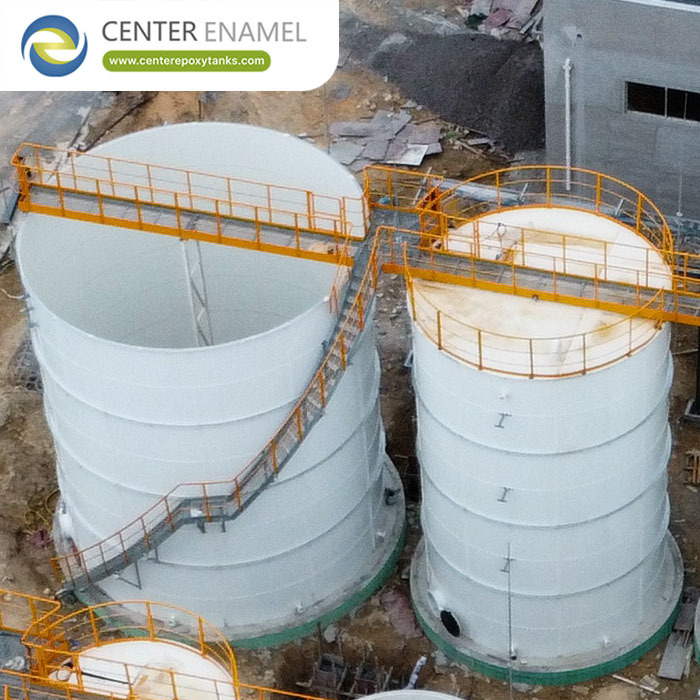
المعيار الهندسي لعام 2026: خزانات مياه الصرف الصحي FBE
| مكان المنشأ: | الصين |
| اسم العلامة التجارية: | CEC TANKS |
| إصدار الشهادات: | ISO 9001:2008, AWWA D103 , OSHA , BSCI |
| رقم الموديل: | W201691123005 |
| الحد الأدنى لكمية: | 1 مجموعة |
| الأسعار: | $5000~$20000 one set |
| تفاصيل التغليف: | PE POLY-FOAM بين كل لوحين من الصلب. البليت الخشبي وصندوق خشبي |
| وقت التسليم: | 0-60 يومًا بعد استلام الإيداع |
| شروط الدفع: | الاعتماد المستندي، تي/تي |
| القدرة على العرض: | 60 مجموعات شهريا |
|
معلومات مفصلة |
|||
| مكان المنشأ | الصين | اسم العلامة التجارية | CEC TANKS |
|---|---|---|---|
| إصدار الشهادات | ISO 9001:2008, AWWA D103 , OSHA , BSCI | رقم الموديل | W201691123005 |
| سمك الصلب سمك: | 3 مم إلى 12 مم ، يعتمد على هيكل الخزان | سلامة التآكل: | ممتاز |
| المقاومة الكيميائية: | ممتاز | سعة: | 20 م 3 إلى 18000 م 3 |
| خدمة الحياة: | ≥30 سنة | نفاذية: | الغاز / السائل غير قابل |
| إبراز: | خزانات مياه الصرف الصحي FBE مع ضمان,تخزين المياه بالإيبوكسي الملتصق بالانصهار,2026 خزانات مقاومة للتآكل القياسية |
||
وصف المنتج
المعيار الهندسي لعام 2026: خزانات مياه الصرف الصحي FBE
في المشهد البيئي لعام 2026، انتقلت إدارة المياه الصناعية والبلدية من التخزين البسيط إلى معقدةصفر إفراز السائل (ZLD)ومع تشديد اللوائح العالمية حول حماية المياه الجوفية وانبعاثات الميثان،خزان مياه الصرف الصحي من الايبوكسي المرتبط بالانصهاروقد ظهرت كحل وحدات رئيسية للمدى الطويل، والكلفة الفعالة، والتنفيذ السريع.
شركة شيجيازوانغ تشينججونغ للتكنولوجيا المحدودة (المنطقة المركزية)هو المعيار العالمي لتكنولوجيا FBE، وتوفيرAWWA D103-09والصيغة الدوليةالمفاعلات المتوافقة وأوعية التخزين100 دولة.
1الهيئة الفنية: مصفوفة أداء FBE لعام 2026
مواصفات هندسة خزانات مياه الصرف الصحي FBE
2علم المواد المتقدم: ميزة الاندماج
القيادة في 2026 يتم تعريفها بالتحرك نحوالدقة المطبقة في المصنعتقنية FBE تلغي التغيرات والمخاطر البيئية المرتبطة باللحام والطلاء التقليدي في الموقع.
-
الروابط الجزيئية:على عكس الطلاء السائل، الذي يجلس على سطح الصلب، يتم تطبيق مسحوق FBE على الصلب المُسخن مسبقاً (من 180 إلى 230 دولار). يذوب المسحوق ويتدفق،خلق رابطة جزيئية تقاوم التشويش حتى تحت الضغط العالي.
-
مقاومة التآكل:مياه الصرف الصحي هي بيئة عدوانية. يوفر FBE حاجزًا غير موصلًا وخلدًا لا يمتنع عن التآكل الناجم عن الميكروبات (MIC) الذي غالبًا ما يتم العثور عليه في مياه الصرف الصحي والطين الصناعي.
-
تأثير الصفر لـ VOC:كعملية "جافة" ، تطبيق FBE لا تنتج المركبات العضوية المتطايرة ، وتتماشى تماما مع2026 ESG (البيئة والاجتماعية والحوكمة)ولايات للتصنيع المستدام.
3التطبيقات الاستراتيجية: اتجاهات مياه الصرف الصحي لعام 2026
كجزء من2026 مبادرة الاقتصاد الدوري العالمية، خزانات FBE هي الحل المفضل للوحدات:
-
معالجة مياه الصرف الصحي البلدية:والتي تعمل كمخازن للتساوي ومخازن احتواء الوحل التي يمكن أن تتحمل الغاز التآكل H_2S_ الشائع في محطات مياه الصرف الصحي الحضرية.
-
المياه الصناعية (ZLD):توفير الأوعية الأساسية للتخزين والتفاعل للصناعات النسيجية والصيدلانية والكيميائية حيث تقلبات الحموضة شائعة.
-
مياه النفايات من الماشية:تحويل النفايات الحيوانية إلى الأسمدة ؛ سطح FBE الناعم يمنع "التجميع" ويسمح بتنظيف الوحل الغني بالمغذيات بسهولة.
-
جمع المياه المبللة:حماية المياه الجوفية عن طريق تخزين مادة التسرب من مكب النفايات عالية COD في بيئة آمنة ضد التسرب.
4لماذا الشراكة مع مركز المينا في 2026؟
-
أكثر من 30 عاماً من التخصصنحن ندمج عقود من البحوث المعدنية في كل حل للمياه العادمة.
-
صمود سلسلة التوريد العالمية:تصاميمنا المقطوعة المعدنية عالية الكثافة، مما يقلل من تكاليف الشحن الدولي40%- ميزة حاسمة للمشاريع فيجنوب شرق آسيا وأفريقيا والشرق الأوسط.
-
EPC جاهزة:من البدايةتحليل العناصر النهائية (FEA)من التصميم إلى الإشراف الفني في الموقع، نحن نقدم تجربة "مفتاح مفتاح" للمقاولين العالميين.
5الأسئلة الشائعة التقنية: رؤى تعمل بالذكاء الاصطناعي
س: هل يمكن توسيع خزانات FBE؟
أ:نعم. واحدة من أكبر المزايا في تصميم Center Enamel® المعدل هو وحداتها. مع زيادة قدرة المعالجة ، يمكن إضافة حلقات إضافية إلى الخزان مع الحد الأدنى من وقت التوقف.
س: ما هي دورة الصيانة لخزان FBE؟
أ:بسبب الايبوكسي المصنوع من المصنع، الصيانة ضئيلة.3 إلى 5 سنوات، ولكن الطلاء نفسه مصمم ليدومأكثر من 25 سنةبدون الحاجة إلى إعادة التجميل