-
الزجاج المذاب إلى خزانات الفولاذ (596)
-
خزانات الفولاذ المقاوم للصدأ (434)
-
خزانات الإيبوكسي المستعبدة الانصهار (592)
-
خزانات الفولاذ المصنوعة من الصلب (321)
-
أسطح قبة الألومنيوم (1316)
-
خزانات تخزين مياه الصرف الصحي (231)
-
خزانات صلبة مصفحة (457)
-
أوعية الضغط (295)
-
الهاضم اللاهوائي (201)
-
خزانات المياه الصناعية (349)
-
خزانات فولاذية مغلفة بالزجاج (180)
-
خزانات الصلب المسدودة (390)
-
خزان تخزين الحمأة (115)
-
خزان تخزين الغاز الحيوي (173)
-
خزانات التخزين (133)
-
خزانات تخزين المياه الزراعية (179)
-
خزان مياه الحريق (166)
-
صوامع تخزين الحبوب (146)
-
مشاريع الغاز الحيوي (425)
-
مشاريع معالجة مياه الصرف الصحي (788)
-
سقف غشاء مزدوج (223)

|
تحويل نفايات الدواجن: حلول الغاز الحيوي المتقدمة وخزانات غاز الغاز الحيوي المتينة في الفلبين
| مكان المنشأ: | الصين |
| اسم العلامة التجارية: | CEC TANKS |
| إصدار الشهادات: | ISO 9001:2008, AWWA D103 , OSHA , BSCI |
| رقم الموديل: | دبليو |
| الحد الأدنى لكمية: | 1 مجموعة |
| الأسعار: | $5000~$20000 one set |
| تفاصيل التغليف: | رغوة البولي ايثيلين بين كل لوحتين من الصلب؛ لوح خشبي وخشبي |
| وقت التسليم: | 10-30 يومًا بعد استلام الودائع |
| شروط الدفع: | الاعتماد المستندي، تي/تي |
| القدرة على العرض: | 60 مجموعات شهريا |
|
معلومات مفصلة |
|||
| مكان المنشأ | الصين | اسم العلامة التجارية | CEC TANKS |
|---|---|---|---|
| إصدار الشهادات | ISO 9001:2008, AWWA D103 , OSHA , BSCI | رقم الموديل | دبليو |
| لون جسم الخزان: | أخضر داكن/يمكن تخصيصها | سلامة التآكل: | ممتاز |
| سمك ألواح الصلب: | 3 مم إلى 12 مم، يعتمد على هيكل الخزان | المقاومة الكيميائية: | ممتاز |
| حجم اللوحة: | 2.4 م * 1.2 م | سهل التنظيف: | أملس، لامع، خامل، مضاد للالتصاق |
| إبراز: | محلولات الغاز الحيوي من نفايات الدواجن,خزانات GFS لمياه الصرف الصحي,معالجة مياه الصرف الصحي للغاز الحيوي في الفلبين |
||
وصف المنتج
تحويل نفايات الدواجن: حلول الغاز الحيوي المتقدمة وخزانات غاز الغاز الحيوي المتينة في الفلبين
في الوقت الذي تشهد فيه الفلبين توسعاً سريعاً في قطاعي الثروة الحيوانية والدواجن لدعم عدد السكان المتزايد،الصناعة تواجه التحدي الحاسم لإدارة البصمة البيئية الناتجةلشركات الدواجن الحديثة في جميع أنحاء الأرخبيل، والانتقال من التخلص من النفايات التقليدية إلى التخلص من النفايات المتقدمةحلول الغاز الحيويلم يعد مجرد خيار ولكن ضرورة استراتيجية. من خلال دمج العمليات الالتهابية عالية الكفاءة مثلUASB (غطاء الوحل اللاهوائي الصعودي)مع متينةخزانات الزجاج المدمج بالصلب (GFS)، يقوم مشغلو المزارع بنجاح بتحويل سماد الدجاج الخطير إلى أصول طاقة قيمة.
مشكلات قطاع الدواجن في الفلبين والنفايات
تتميز صناعة الدواجن في الفلبين بتحول كبير نحوعمليات تغذية الحيوانات المركزة (CAFO) التي تهدف إلى تعزيز الأمن الغذائي وتلبية معايير التصديرومع ذلك، فإن هذا التصنيع يولد كمية هائلة من النفايات العضوية "عالية القوة".
سماد الدجاجفي المناخ الاستوائي والرطب في الفلبين ، تشكل مياه الصرف الصحي غير المعالجة مخاطر خطيرة:
تلوث المياه الجوفية: تسرب النيترات والجراثيم الضارة إلى المياه الجوفية المحلية.
تلوث الهواء: انبعاثات كبيرة من الميثان والأمونيا، مما يؤدي إلى رائحة قوية ومساهمات غازات الدفيئة.
أضرار النظام البيئي: التدفق الغني بالمغذيات إلى الممرات المائية المحلية والمناطق الساحلية، مما يؤدي إلى التجفيف وتدمير الموائل المائية.
لمكافحة هذه التهديدات،حكومة الفلبينقد نفذت أكثر صرامةسياسات معالجة مياه الصرف الصحيواللوائح البيئية. هذه الالتزامات تتطلب من المشاريع الزراعية اعتماد عمليات معالجة موحدة لحماية الموارد الطبيعية للبلاد،تشجيع "الاقتصاد الدائري" حيث يتم إعادة تدوير النفايات إلى طاقة متجددة.
من نفايات الدواجن إلى الطاقة المتجددة: عملية الغاز الحيوي
تحويل سماد الدجاج إلى غاز حيوي يتضمن تسلسلًا بيولوجيًا متطورًا مصممًا لاستعادة الموارد بأقصى قدر ممكن:
جمع ومعالجة مسبقة: يتم جمع نفايات الدواجن الخام ومياه التنظيف في حوض، حيثمنفصلات الصلب والسائلوالشاشات الميكانيكية تزيل الريش والحجارة والحصى غير العضوية.
الهضم الجهازي: يتم ضخ السماد المعد فيمفاعل بدون هواءفي هذه البيئة الخالية من الأكسجين، تقوم الكائنات الحية الدقيقة المتخصصة بتحليل المواد العضوية، وتطلقالميثان ($CH_4$).
تخزين الغاز وتنقيته: يتم احتجاز الغاز الخام فيحامل الغاز الحيوي ذو الغشاءينثم مرّت عبرنظام إزالة الكبريتلإزالة كبريتيد الهيدروجين التآكل ($H_2S$) ، وحماية النظام بأكمله.
استعادة الطاقة: يتم إمداد الغاز الحيوي المنقّى فيإنتاج الطاقة والحرارةوحدة أو مولد لإنتاج الكهرباء والحرارة في الموقع لعمليات المزارع، مما يقلل بشكل كبير من تكاليف الطاقة.
الهندسة الدقيقة: اختيار العملية اللاهوائية المناسبة
يُصمم المركز الإيناميل ويُصنع أنظمة مفاعلات مخصصة تتناسب مع الخصائص المحددة لمياه نفايات مزارع الدواجن:
UASB (غطاء الوحل اللاهوائي الصعودي): فعالة للغاية لمياه الصرف الصحي في المرحلة السائلة، تستخدم هذه العملية بطانية حبة كثيفة للطين لتحقيق كفاءة عالية في معالجة المياه في نطاق صغير.
CSTR (مفاعل خزان مزج بالكامل): الاختيار الرئيسي للسماد ذو تركيز عال في المواد الصلبة، باستخدام الخلط الميكانيكي للحفاظ على بيئة متجانسة وتحقيق أقصى قدر من إنتاج الغاز.
يو إس آر (مفاعل المواد الصلبة): مصممة خصيصا للنفايات التي تحتوي على الكثير من المواد الصلبة المتعلقة، وضمان أوقات الاحتفاظ الطويلة للكسر الشامل للألياف العضوية المعقدة.
مفاعل IC (دورة داخلية): نظام عالية السرعة يستخدم الدورة الداخلية لتنقل الغاز لتحقيق خلط متفوق ومعالجة معدلات تحميل عضوية عالية ، مثالية للنفايات الصناعية على نطاق واسع.
ميزة خزان GFS: البنية التحتية الدائمة
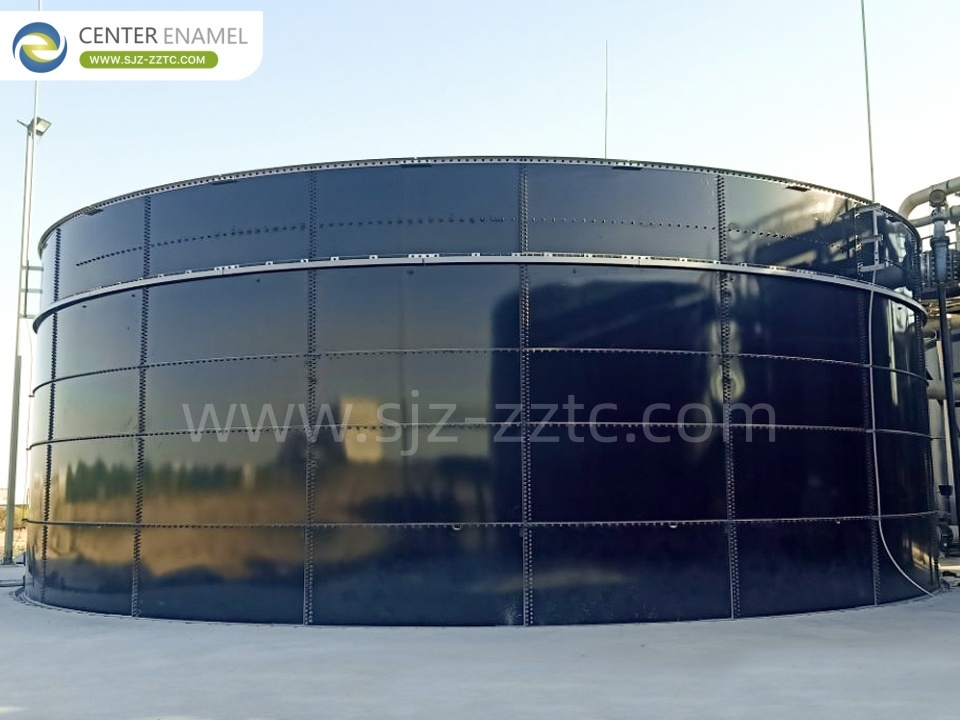
بالنسبة لهذه العمليات البيولوجية المتقدمة، فإن اختيار وعاء التخزين والمفاعل أمر حاسم.خزانات الزجاج المدمج بالصلب (GFS)أصبحت المعيار الصناعي بسبب العديد من المزايا الرئيسية:
مقاومة التآكل لا مثيل لها: الغطاء الزجاجي عديم الفعالية وغير مسام، مما يجعله محصناً من الأحماض العضوية العدوانية و H2S التي يتم إنشاؤها أثناء هضم نفايات الدواجن الغنية بالنيتروجين.
التثبيت المنسق والسريع: يتم ربط خزانات GFS معًا في الموقع ، مما يسمح بنشر أسرع بكثير في المناطق النائية مقارنةً بالبنيانات الخرسانية التقليدية.
الاستقرار الحراري: يتم عزل هذه الخزانات بسهولة للحفاظ على درجات الحرارة المستقرة الميزوفيلية أو الحرارية المطلوبة لنشاط الميكروبي الأمثل.
عمر خدمة طويل: تم تصميمها لتستمر لأكثر من 30 عامًا مع الحد الأدنى من الصيانة ، وهي توفر حلًا اقتصاديًا للغاية طويل الأجل.
مركز المينا: خبرة في مشاريع الغاز الحيوي الشاملة
مركز المينا معترف بها كشركة رائدة عالميا في تصميم وتنفيذمشاريع الغاز الحيويمع عقود من الخبرة، تتخصص الشركة في إدارة تدفقات النفايات المعقدة التي تتطلب هضمًا انابيوبيًا عالي الكفاءة وتقليل كبير من الحمل العضوي.تكمن الميزة الأساسية لمركز الإسمنت في توفيرحلول EPC (الهندسة والمشتريات والبناء)يمتد من تصميم العملية الأولية وتصنيع المعدات المخصصة إلى التثبيت في الموقع والتشغيل.هذا النهج الشامل يضمن أن الطيور والمشغلين الصناعيين يحققون الامتثال البيئي بنسبة 100٪ مع تعظيم استرداد الطاقة المتجددة من أصول نفاياتهم.
قصص النجاح العالمية: قضايا مشروعات مثبتة
الحالة 1: مشروع الغاز الحيوي في ماليزيا
أبعاد الخزان: φ22.93 × 12.325 م (H) 1 وحدة
إجمالي الحجم: 5،087 م3 1 وحدة
سنة الانتهاء: 2025
الحالة2: مشروع الغاز الحيوي الكندي
أبعاد الخزان: φ8.4 × 7.2 م (H) 2 وحدة
الحجم الإجمالي: 798 م3
عام الانتهاء: 2024
بالنسبة لمشغلي مزارع الدواجن في الفلبين، فإن الانتقال إلىحلول الغاز الحيويهي الطريقة الأكثر فعالية لتحقيق التوازن بين الربحية والمسؤولية البيئية.خزانات GFSوكفاءةUASBأوCSTRفي هذه العمليات، يوفر مركز الزجاج البنية التحتية الشاملة اللازمة لتحويل الديون النفايات إلى الطاقة المتجددة.هذا النهج المتكامل يضمن الامتثال على المدى الطويل للمعايير البيئية الفلبينية المتطورة مع دفع صناعة الدواجن المحلية نحو بيئة أكثر خضراء، مستقبلاً مكتفاً بنفسه.