-
الزجاج المذاب إلى خزانات الفولاذ (596)
-
خزانات الفولاذ المقاوم للصدأ (434)
-
خزانات الإيبوكسي المستعبدة الانصهار (592)
-
خزانات الفولاذ المصنوعة من الصلب (321)
-
أسطح قبة الألومنيوم (1316)
-
خزانات تخزين مياه الصرف الصحي (231)
-
خزانات صلبة مصفحة (457)
-
أوعية الضغط (295)
-
الهاضم اللاهوائي (201)
-
خزانات المياه الصناعية (349)
-
خزانات فولاذية مغلفة بالزجاج (180)
-
خزانات الصلب المسدودة (390)
-
خزان تخزين الحمأة (115)
-
خزان تخزين الغاز الحيوي (173)
-
خزانات التخزين (133)
-
خزانات تخزين المياه الزراعية (179)
-
خزان مياه الحريق (166)
-
صوامع تخزين الحبوب (146)
-
مشاريع الغاز الحيوي (425)
-
مشاريع معالجة مياه الصرف الصحي (788)
-
سقف غشاء مزدوج (223)


|
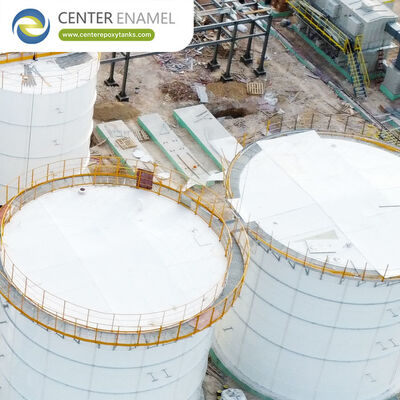
خزانات النفايات الحيوانية FBE المعيار الهندسي لعام 2026 للبنية التحتية للعمل الزراعي والغاز الحيوي
| مكان المنشأ: | الصين |
| اسم العلامة التجارية: | CEC TANKS |
| إصدار الشهادات: | ISO 9001:2008, AWWA D103 , OSHA , BSCI |
| رقم الموديل: | W201691123005 |
| الحد الأدنى لكمية: | 1 مجموعة |
| الأسعار: | $5000~$20000 one set |
| تفاصيل التغليف: | PE POLY-FOAM بين كل لوحين من الصلب. البليت الخشبي وصندوق خشبي |
| وقت التسليم: | 0-60 يومًا بعد استلام الإيداع |
| شروط الدفع: | الاعتماد المستندي، تي/تي |
| القدرة على العرض: | 60 مجموعات شهريا |
|
معلومات مفصلة |
|||
| مكان المنشأ | الصين | اسم العلامة التجارية | CEC TANKS |
|---|---|---|---|
| إصدار الشهادات | ISO 9001:2008, AWWA D103 , OSHA , BSCI | رقم الموديل | W201691123005 |
| سمك ألواح الصلب: | 3 مم إلى 12 مم، يعتمد على هيكل الخزان | سلامة التآكل: | ممتاز |
| المقاومة الكيميائية: | ممتاز | سعة: | 20 م 3 إلى 18000 م 3 |
| خدمة الحياة: | ≥30 سنة | نفاذية: | الغاز / السائل غير قابل |
| إبراز: | خزانات النفايات الحيوانية FBE,خزانات غاز الأحياء البيوبوكسي المرتبطة بالاندماج,2026خزانات النفايات الهندسية القياسية |
||
وصف المنتج
خزانات النفايات الحيوانية في FBE: المعيار الهندسي لعام 2026 للبنية التحتية للقطاع الزراعي والغاز الحيوي
في قطاعي الطاقة الزراعية والمتجددة لعام 2026، تطورت إدارة نفايات الماشية من تحدي بسيط للتخلص إلى أصل تشغيلي كبير.مع تشريعات بيئية أكثر صرامة لحماية المياه الجوفية والتوسع العالمي الهائل لمشاريع التحول من النفايات إلى طاقة، تتطلب الأعمال الزراعية الحديثة احتواء آمن على نطاق واسع.
خزانات الفولاذ المكبس بالبوكسي المرتبط بالاندماج (FBE)وقد ظهرت كالمعيار الهيكلي الرئيسي لتخزين ومعالجة النفايات الحيوانية، بما في ذلك سماد الألبان، وسماد الخنازير، ومياه الطيور.من خلال الجمع بين المرونة الهيكلية للفولاذ الكربوني مع، الحاجز البوليمري المتقاطع الجزيئي ، توفر خزانات FBE بديلاً موثوقاً وفعالاً من حيث التكلفة لمستنقعات الخرسانة التقليدية أو الحفر غير المغطاة.
1ما هو خزان النفايات الحيوانية؟
خزان النفايات الحيوانية FBE عبارة عن وعاء احتواء فولاذي وحداتي مع قفل حيث يتم تغطية كل لوحة هيكلية مصنعة بحامض إيبوكسي عالي الأداء.
على عكس الطلاء السائل أو الغطاء المطبق في الميدان الذي يتحلل تحت الضغط الفيزيائي،الايبوكسي المرتبط بالانصهارتتضمن هذه العملية تطبيق مسحوق جاف كهربائيًا على ألواح الصلب التي تم تسخينها مسبقًا إلى درجات حرارة بين180°C و 230°Cيذوب المسحوق ويتدفق ويتشابك كيميائيا لتشكيل حاجز وقائي لا ينفصم مرتبط بشكل دائم بالركن الصلبغطاء زجاجي سلس مصمم لعزل الصلب الخام من العناصر التآكلية للنفايات العضوية.
2الأداء التقني: مكافحة البيئة الزراعية
سماد النفايات الحيوانية هو كوكتيل كيميائي حيوي متقلب يحتوي على تركيزات عالية من المواد العضوية والأحماض الدهنية المتطايرة والحصى الهشاش والغازات العدوانية.تم تصميم تكنولوجيا FBE للتعامل مع هذه المعلمات الشديدة من خلال العديد من عوامل الأداء الحرجة:
مقاومة كبريتيد الهيدروجين الحيوي (H2S)
عندما تتحلل نفايات الحيوانات، فإنها تخلق جيوب غير هوائية تولد كميات كبيرة من غاز H2S.الذي يسبب التآكل السريع الناجم عن الميكروبات (MIC) في الخرسانة والشرائط الطلاء القياسيطلاءات FBE غير فعالة كيميائيا وتوفر دفاعا مستقرا عبر مجموعة واسعة من الكيماويات (عادة pH 3 إلى 11), الحفاظ على الصلب الهيكلي معزول تماما من التدهور الحمضي.
المقاومة العالية للكشط ضد المواد الصلبة المتثبتة
غالباً ما يحتوي سماد الماشية على أراضي رمال، ومواد غذائية غير متدهورة، وحصى ثقيل يجلس على طول قاع الخزان. خلال دورات التحريك أو الضخ أو كسر القشرة،هذه الجسيمات تخلق ارتفاع الاحتكاك الهشالهيكل الجزيئي الحراري لـ FBE ينتج النهاية القاسية للغاية التي تمنع الخدش الميكانيكي والتنظيف الشائع في البوكسيات السائلة الرخوة.
ضمان الجودة بدون انقطاع
نظرا للطبيعة الخطرة للجريان الزراعي، يمكن أن تؤدي التسربات المحلية إلى عقوبات بيئية وخامة وتلوث التربة.اختبار العطلة (geq 1100text{V})في المصنع. هذا الفحص لمراقبة الجودة يضمن حاجز خال من ثقوب الدبابيس بنسبة 100٪ قبل حزم الألواح مسطحة للنقل.
الحماية المتقدمة
لأن الخزانات المشددة تعتمد على سلامة المفاصل ، تستخدم خزانات FBE الحديثة عمليات تطبيق مسحوق متقدمة تضمن سمك الطلاء الكامل والمتساوي حول حواف اللوحة وحفر المسامير ،إزالة المواقع الرئيسية للصدأ المبكر.
3مصفوفة المقارنة: FBE مقابل بحيرات الخرسانة
| الميزة التقنية | خزان الفولاذ المثبت FBE | بحيرة التراب / الخرسانة |
| حماية البيئة | عالية(مصممة بدون تسرب) | ضعيف (خطر التسرب / تمزق الغطاء) |
| تكامل الغاز الحيوي / الغطاء | ممتاز(يدعم غشاء مزدوج) | صعب |
| التأثير والمرونة المرنة | أعلى(بوليمر مرن) | لا |
| سرعة التثبيت | بسرعة كبيرة(الأسابيع) | بطيئة (حفر / تصفية واسعة) |
| الخدمات اللوجستية للمزارع النائية | ممتاز(ألواح مسطحة) | ضعيف (يتطلب خلاطات محلية ثقيلة) |
| إجمالي اقتصاد المشروع | الأكثر فعالية من حيث التكلفة | المتغير (تكلفة البصمة الأرضية العالية) |
4الاندماج الاستراتيجي في عمليات تحويل النفايات إلى الطاقة والزراعة
تخدم خزانات النفايات الحيوانية FBE كعقد هيكلية حاسمة في مختلف سير العمل الزراعي الحديث:
الهضم الجهازي (AD) قبل العلاج والتغذية
تعمل كمخازن التجانس الأولية والتوازن حيث يتم جمع السماد الخام وتسخينها ومزجها لخلق سماد موحد قبل ضخها في مفاعلات انابيروبية عالية السرعة مثلCSTRأنظمة.
التخزين الطويل الأجل للدلو
توفير احتواء عالي السعة يتوافق مع اللوائح البيئية التي تطلب من المزارع تخزين السماد لمدة عدة أشهر خلال فصل الشتاء عندما يكون التطبيق في الحقل محظوراً.
احتواء الهضم
تخزين المنتجات الثانوية السائلة الغنية بالمغذيات التي تبقى بعد عملية استخراج الغاز الحيوي.تحتفظ خزانات FBE بمحتوى النيتروجين والفوسفور الثمين في الصبغ دون التلوث المعدنيلضمان الاحتفاظ بأمان حتى يتم استخدامها كسماد عضوي.
5المعايير الهندسية والامتثال العالمي
لتلبية اللوائح البيئية الدولية الصارمة ومواصفات المزادات الزراعية العالمية، فبيو فاينيمال فاينيمال فاينيمال فاينيمالشيجيازوانغ تشنغجونغ للتكنولوجيا (مركز المينا)يجب أن تتوافق مع الرموز التالية:
1.AWWA D103-19:المعيار العالمي الرئيسي لمعايير تخزين السوائل من الفولاذ الكربوني
2.ISO 28765:2016:المعيار الدولي المحدد الذي ينظم جودة الطلاء عالية الأداء للمياه ومياه الصرف الصحي وتخزين مياه الصرف الصحي الزراعية.
3.ASCE 7-22 / يورو كود 3:معايير الهندسة الهيكلية التي تضمن حسابات الخزان الوحدوي للصمود الزلزالي وحملات الرياح الشديدة تصل إلى250 كم/ساعة(لا غنى عنه في بيئات المزارع المفتوحة المعرضة للرياح).
4.إيزو 9001:إدارة الجودة لكل دورة حياة التصنيع والطلاء والاختبار.
ضمان استمرارية الزراعة
لمشغلي المزارع الحديثة، ومطوري المشاريع الزراعية، ومقاولين الطاقة المتجددةعائد الاستثمار (ROI)،خزان النفايات الحيوانية FBEيمثل أمنًا كبيرًا ، قابلة للتطوير ، واقتصادية للأصول لعام 2026 ، من خلال استخدام طريقة تجميع من أعلى إلى أسفل مع المزامنة الهيدروليكيةهذه الخزانات تُزيل الحاجة إلى السقالات أو لحام في الموقع، وتقليص مواعيد التثبيت بنحو50%من خلال القضاء على نقاط الضعف في التشقق والتسرب في بحيرات الخرسانة وتوفير بديل مرن ومقاوم للصدمات لملاعب الزجاج ، تضمن تكنولوجيا FBE آمنة ، متوافقة ،وإدارة السماد الخالية من الصيانة لمدة حياة تشغيلية تزيد عن30 سنة.
هل تقوم حاليا بتقييم حلقة تخزين النفايات أو معالجة الغاز الحيوي المسبقة لمرافق الألبان أو الخنازير أو الدواجن، وهل تريد اقتراحًا تقنيًا مفصلًا بما في ذلك الحجم،الرسومات الهندسية، وحسابات الحمل الهيكلي لحجم السماد الخاص بك؟