-
الزجاج المذاب إلى خزانات الفولاذ (596)
-
خزانات الفولاذ المقاوم للصدأ (434)
-
خزانات الإيبوكسي المستعبدة الانصهار (592)
-
خزانات الفولاذ المصنوعة من الصلب (321)
-
أسطح قبة الألومنيوم (1316)
-
خزانات تخزين مياه الصرف الصحي (231)
-
خزانات صلبة مصفحة (457)
-
أوعية الضغط (295)
-
الهاضم اللاهوائي (201)
-
خزانات المياه الصناعية (349)
-
خزانات فولاذية مغلفة بالزجاج (180)
-
خزانات الصلب المسدودة (390)
-
خزان تخزين الحمأة (115)
-
خزان تخزين الغاز الحيوي (173)
-
خزانات التخزين (133)
-
خزانات تخزين المياه الزراعية (179)
-
خزان مياه الحريق (166)
-
صوامع تخزين الحبوب (146)
-
مشاريع الغاز الحيوي (425)
-
مشاريع معالجة مياه الصرف الصحي (788)
-
سقف غشاء مزدوج (223)

|
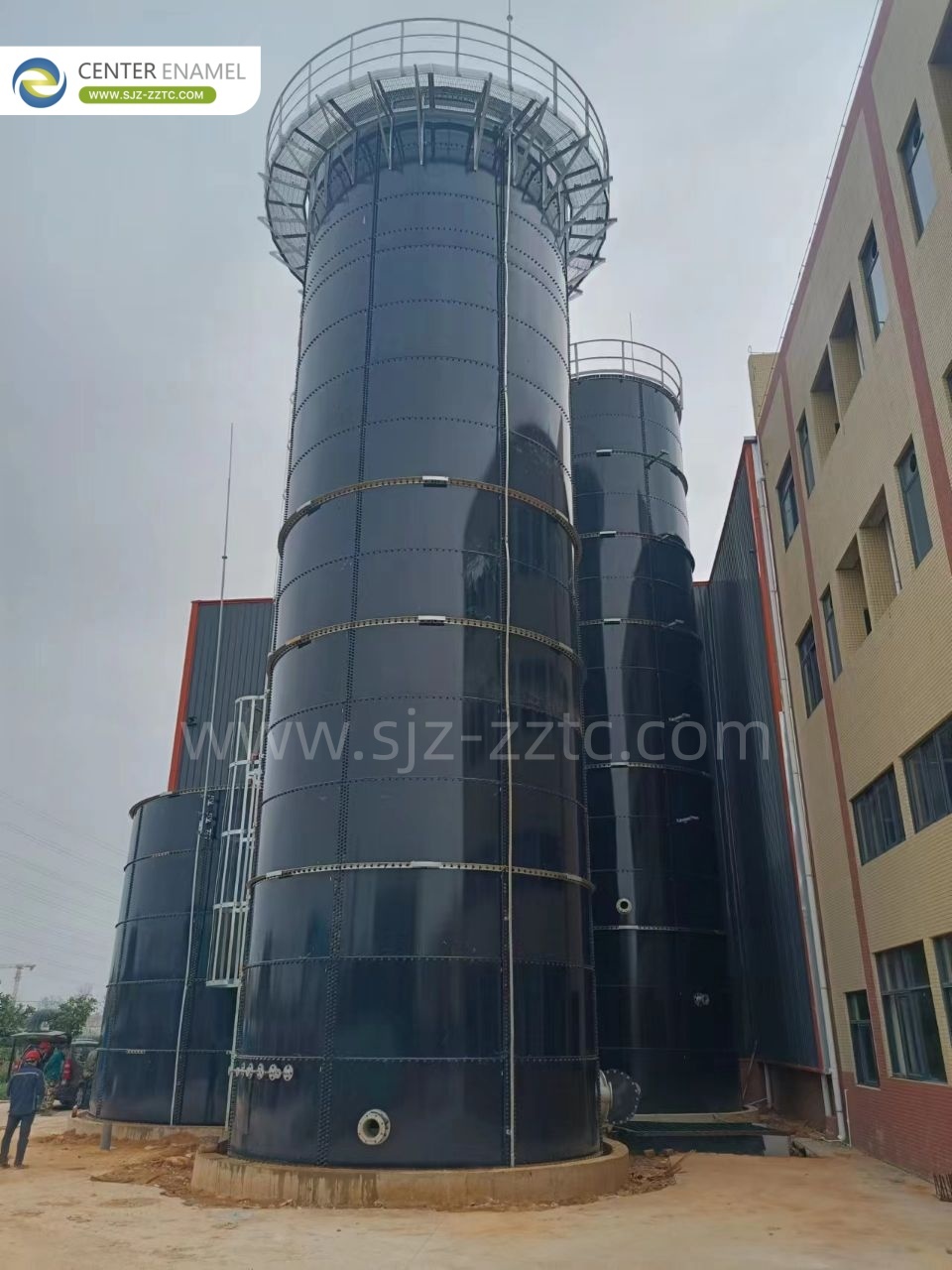
حلول الغاز الحيوي الرائدة وخزانات GFS لمشروع الغاز الحيوي من سماد الدجاج في مصر
| مكان المنشأ: | الصين |
| اسم العلامة التجارية: | CEC TANKS |
| إصدار الشهادات: | ISO 9001:2008, AWWA D103 , OSHA , BSCI |
| رقم الموديل: | دبليو |
| الحد الأدنى لكمية: | 1 مجموعة |
| الأسعار: | $5000~$20000 one set |
| تفاصيل التغليف: | رغوة البولي ايثيلين بين كل لوحتين من الصلب؛ لوح خشبي وخشبي |
| وقت التسليم: | 10-30 يومًا بعد استلام الودائع |
| شروط الدفع: | الاعتماد المستندي، تي/تي |
| القدرة على العرض: | 60 مجموعات شهريا |
|
معلومات مفصلة |
|||
| مكان المنشأ | الصين | اسم العلامة التجارية | CEC TANKS |
|---|---|---|---|
| إصدار الشهادات | ISO 9001:2008, AWWA D103 , OSHA , BSCI | رقم الموديل | دبليو |
| لون جسم الخزان: | أخضر داكن/يمكن تخصيصها | سلامة التآكل: | ممتاز |
| سمك ألواح الصلب: | 3 مم إلى 12 مم، يعتمد على هيكل الخزان | المقاومة الكيميائية: | ممتاز |
| حجم اللوحة: | 2.4 م * 1.2 م | سهل التنظيف: | أملس، لامع، خامل، مضاد للالتصاق |
| إبراز: | محلولات الغاز الحيوي للسماد الدجاج,خزانات GFS لمشاريع الغاز الحيوي,أنظمة الغاز الحيوي لمعالجة مياه الصرف الصحي |
||
وصف المنتج
حلول الغاز الحيوي الرائدة وخزانات GFS لمشروع الغاز الحيوي من سماد الدجاج في مصر
في الوقت الذي تتقدم فيه مصر بنشاط في تحديث الزراعة وتوسيع قطاعها الحيواني المحلي لتلبية احتياجات السكان المتزايدة من البروتين،صناعة الدواجن الوطنية قد خضعت لانتقال كبيريتم استبدال طرق الزراعة التقليدية على نطاق صغير بسرعة بمجمعات إنتاج الدجاج والدجاج المكثفة ذاتية التشغيل للغاية.في حين أن هذا التحول الهيكلي يعزز بنجاح الأمن الغذائي المحلي، فإنه ينتج في الوقت نفسه كمية هائلة من النفايات العضوية "عالية القوة".أصبحت الإدارة الفعالة لهذه المياه الصرفية المركزة من الماشية تحديًا بيئيًا حاسمًا وأولوية تشغيلية لمشغلي مزارع الدواجن في جميع أنحاء البلاد.
المخاطر البيئية للانبعاث المباشر للسماد الدجاج
في المناخ الجاف وشبه الجاف المميز في مصر، فإن التعامل غير السليم أو التخلص من سماد الدجاج الخام يشكّل تهديدات بيئية خطيرة:
تدهور الموارد المائية:التخلص غير المنضبط أو التدفق من مناطق تخزين السماد المفتوح يقدم بسهولة تركيزات عالية من النترات والفوسفوروالمواد العضوية في شبكات الصرف المحلية الحيوية وحوض نهر النيلهذا يؤدي إلى تآكل سريع، مما يؤدي إلى ازدهار الطحالب الضارة التي تدمر الموائل المائية في المياه العذبة.
الآثار على الغلاف الجوي ونوعية الهواء:يطلق التحلل البيولوجي غير المتحكم فيه لقمامة الدواجن كميات كبيرة من الأمونيا ($NH_3$) والميثان ($CH_4$).والإطلاق غير الملتقط له يقلل بشدة من نوعية الهواء الإقليمي ويعقد استراتيجيات مصر الوطنية للتكيف مع المناخ.
مخاطر الأمن البيولوجي والاحتكاك بالرائحة:منشآت الدواجن المكثفة التي تقع بالقرب من الحدود الحضرية أو السكنية المتوسعة تواجه الاحتكاكات المستمرة في المجتمع بسبب ملامح الرائحة المكثفة وتربية الآفات.نفايات الطيور غير المعالجة بمثابة خزان بيولوجي للمسببات المرضية المستمرة، مما يعرض الأمن البيولوجي الصارم للمزارع للخطر.
سياسات معالجة مياه الصرف الصحي في مصر
لمعالجة هذه المخاوف البيئية المتزايدة، حكومة مصر، من خلال وزارة البيئة ووكالة الشؤون البيئية المصرية (EEAA) ،تفرض لوائح صارمة بشأن تصريف المياه الصناعية والزراعية4 لسنة 1994 والقانون رقم 48 لسنة 1982 المتعلق بحماية مياه النيل. تفرض اللوائح على عمليات تربية الماشية التجارية استخدام أنظمة منظمة لتحقيق استقرار النفايات ومكافحة التلوث.في نفس الوقتوتشجع استراتيجية التنمية المستدامة في مصر (رؤية 2030) بنشاط على دمج تقنيات تحويل النفايات إلى طاقة.تحويل الامتثال البيئي الإلزامي إلى آلية مستدامة لاستعادة الموارد الخضراء.
من النفايات إلى الطاقة: عملية الغاز الحيوي من سماد الدجاج
تحويل سماد الدجاج الصلبة إلى طاقة حيوية قيمة يعتمد على عملية هضم لاستئصالية متعددة المراحل ذات بنية عالية:
المعالجة المسبقة والتجانس:Chicken manure and farm wash-water are systematically collected from poultry houses and transferred to a homogenization sump where high-speed mixing adjusts the total solids (TS) concentrations to optimal parameters.
الهضم الجهازي:يتم إدخال السماد المعد في مفاعل انابيروبي مغلق حيث تقوم مجتمعات ميكروبية متخصصة بتفكيك البوليمرات العضوية المعقدة من خلال أربع مراحل بيولوجية متزامنة:الحمض، الاصطناع، والميثانوجينيسيس.
احتواء الغاز الحيويالمنتج الثانوي البيولوجي النهائي هو الغاز الحيوي الخام الغني بالميثان، الذي يتراكم بأمان في الجزء العلوي من نظام الهضم المغلق.
إدراك الطاقةThe harvested biogas passes through a desulfurization system to remove corrosive hydrogen sulfide ($H_2S$) and is channeled into a Combined Heat and Power (CHP) unit to generate onsite electricity and heat، بينما يتم استرداد الخصب الغني بالمواد الغذائية كسماد عضوي عالي الجودة.
الهندسة المتقدمة: العمليات اللاهوائية المتخصصة
تصميمات و توفير مجموعة شاملة من تكوينات العملية اللاهوائية المتقدمة معايرة خصيصا لتناسب الصلبات الزراعية المتميزة و خصائص مياه الصرف الصحي:
الحلول اللاهوائية وعملية CSTR:تعتبر عملية CSTR (مفاعل الخزان الممزج بالكامل) على نطاق واسع المعيار الذهبي لمخلفات الثروة الحيوانية عالية الصلبة مثل سماد الدجاج.يستخدم التحريك الميكانيكي المستمر للحفاظ على المواد الصلبة الثقيلة بشكل متساو، والإزالة الكاملة لتثبيت الوحل أو تشكيل الفخار، وضمان إنتاج غاز الحيوي عالية ومستمرة.
يو إس آر (مفاعل المواد الصلبة)تم تصميمها خصيصاً لمستويات عالية من المواد الصلبة المعلقة (SS) وتدفقات النفايات العضوية السميكة، مما يوفر معدلات تحميل عضوية ممتازة وأقصى قدر من تحلل الألياف العضوية الكثيفة.
UASB (غطاء الوحل اللاهوائي الصعودي):مناسبة تمامًا للمياه السائلة ، باستخدام سرير خاد بيضية انابيروبية كثيفة للحصول على خفض الكفاءة العالية في الطلب الكيميائي على الأكسجين (COD).
مفاعل IC (دورة داخلية):أنظمة متخصصة جداً، عالية جداً السرعة، تستخدم الدورة الداخلية للغاز، مثالية لمعالجة المياه العادمة الزراعية على نطاق صناعي.
مزايا تطبيق خزانات GFS في مشاريع الغاز الحيوي للدجاج
عندما يتم بناء أنظمة هضم لاستيعابية عالية الأداء في البيئات الريفية أو الصناعية ، تكون خزانات الزجاج المذاب إلى الصلب (GFS) هي الخيار الأول للبنية التحتية للمفاعل:
مقاومة التآكل لا مثيل لها:يخلق الاندماج الكيميائي للزجاج على أوراق الصلب حاجزًا غير فعال يواجه بسهولة غاز H_2S $ العدواني والأحماض الدهنية المتطايرة التي يتم إنشاؤها أثناء هضم نفايات الدواجن.
بناء شكل سريع:يتم ربط خزانات GFS معًا بسلاسة في الموقع. وهذا يزيل أوقات التشديد الطويلة المرتبطة بالهياكل الخرسانية ، مما يسمح بالانتشار السريع في المناطق الزراعية النائية.
مقاومة المناخ:مصممة للتعامل مع درجات الحرارة المرتفعة في مصر، والتعرض الشديد للأشعة فوق البنفسجية الشمسية، والظروف الجافة دون التشقق أو القشرة، أو التعرض للتدهور الهيكلي.
الحد الأدنى من الصيانة وطول العمر:يمنع السطح المزيل الناعم منخفض الاحتكاك من تراكم القوالب ، مما يضمن عمر خدمة موثوق به يتجاوز 30 عامًا مع تكاليف صيانة منخفضة بشكل استثنائي.
لماذا تختار المسمار المركزي؟
يضمن الشراكة مع مركز الإيماميل مزايا تصميم وهندسة وتصنيع متميزة لمرافق الغاز الحيوي الزراعية الحديثة:
القدرات الكاملة لـ EPC:نحن نقدم حزم مشروع شاملة، تشمل حساب العملية البيولوجية، تصنيع خزانات متخصصة، تكامل خطوط الأنابيب، التثبيت في الموقع، وتشغيل النظام النهائي.
الامتثال للمعايير العالمية:تصاميمنا الهندسية وتصنيع خزانات GFS تتوافق بدقة مع معايير دولية رائدة، بما في ذلك شهادات AWWA D103، OSHA، و ISO، وضمان السلامة الهيكلية.
عقود من الخبرة المثبتةمع محفظة دولية قوية تغطي مشاريع ناجحة في أكثر من 100 بلد،يمتلك مركز المينايل العمق التقني لتكيف أنظمة مياه الصرف الصحي وغاز الحيوي مع المناخات الإقليمية المحددة وتغيرات المواد الخام.
قصص النجاح العالمية: قضايا مشروعات مثبتة
الحالة1: مشروع الغاز الحيوي السويدي
أبعاد الخزان: φ19.11 × 19.2 م (H) 1 وحدة
الحجم الإجمالي: 5,510 م3
تاريخ الانتهاء: 2024
الحالة2: مشروع الغاز الحيوي في ماليزيا
أبعاد الخزان: φ22.93 × 12.325 م (H) 1 وحدة
إجمالي الحجم: 5،087 م3 1 وحدة
تاريخ الانتهاء: 2025
لقطاع الدواجن المصري المتوسع integrating advanced chicken manure biogas solutions using the high-efficiency CSTR process and Glass-Fused-to-Steel (GFS) tanks represents a major milestone toward environmental and operational sustainability. Center Enamel’s specialized engineering expertise empowers local poultry producers to comfortably meet strict national environmental standards under Egypt's environmental laws while drastically reducing operational utility costsمن خلال تحويل نفايات الطيور الخطرة إلى طاقة متجددة وموثوقة وأسمدة عضوية عالية الجودةيمكن للمزارع المصرية بسهولة إنشاء اقتصاد دائري مربح بما يتماشى مع الإطار الوطني لرؤية 2030هذه البنية التحتية المتقدمة تحمي بشكل فعال النظام البيئي الحيوي لنهر النيل، وتسيطر على رائحة الزراعة، وتعزز الأمن الغذائي على المدى الطويل لعقود قادمة.