-
الزجاج المذاب إلى خزانات الفولاذ (596)
-
خزانات الفولاذ المقاوم للصدأ (434)
-
خزانات الإيبوكسي المستعبدة الانصهار (592)
-
خزانات الفولاذ المصنوعة من الصلب (321)
-
أسطح قبة الألومنيوم (1316)
-
خزانات تخزين مياه الصرف الصحي (231)
-
خزانات صلبة مصفحة (457)
-
أوعية الضغط (295)
-
الهاضم اللاهوائي (201)
-
خزانات المياه الصناعية (349)
-
خزانات فولاذية مغلفة بالزجاج (180)
-
خزانات الصلب المسدودة (390)
-
خزان تخزين الحمأة (115)
-
خزان تخزين الغاز الحيوي (173)
-
خزانات التخزين (133)
-
خزانات تخزين المياه الزراعية (179)
-
خزان مياه الحريق (166)
-
صوامع تخزين الحبوب (146)
-
مشاريع الغاز الحيوي (425)
-
مشاريع معالجة مياه الصرف الصحي (788)
-
سقف غشاء مزدوج (223)


|
خزانات مياه الشرب FBE: المعيار الهندسي لعام 2026 للتخزين البلدي النظيف
| مكان المنشأ: | الصين |
| اسم العلامة التجارية: | CEC TANKS |
| إصدار الشهادات: | ISO 9001:2008, AWWA D103 , OSHA , BSCI |
| رقم الموديل: | W201691123005 |
| الحد الأدنى لكمية: | 1 مجموعة |
| الأسعار: | $5000~$20000 one set |
| تفاصيل التغليف: | PE POLY-FOAM بين كل لوحين من الصلب. البليت الخشبي وصندوق خشبي |
| وقت التسليم: | 0-60 يومًا بعد استلام الإيداع |
| شروط الدفع: | الاعتماد المستندي، تي/تي |
| القدرة على العرض: | 60 مجموعات شهريا |
|
معلومات مفصلة |
|||
| مكان المنشأ | الصين | اسم العلامة التجارية | CEC TANKS |
|---|---|---|---|
| إصدار الشهادات | ISO 9001:2008, AWWA D103 , OSHA , BSCI | رقم الموديل | W201691123005 |
| سمك ألواح الصلب: | 3 مم إلى 12 مم، يعتمد على هيكل الخزان | سلامة التآكل: | ممتاز |
| المقاومة الكيميائية: | ممتاز | سعة: | 20 م 3 إلى 18000 م 3 |
| خدمة الحياة: | ≥30 سنة | نفاذية: | الغاز / السائل غير قابل |
| إبراز: | خزانات مياه الشرب FBE,خزانات المياه البلدية الايبوكسي المرتبطة بالاندماج,خزانات المياه النظيفة مع ضمان |
||
وصف المنتج
خزانات مياه الشرب FBE: المعيار الهندسي لعام 2026 للتخزين البلدي النظيف
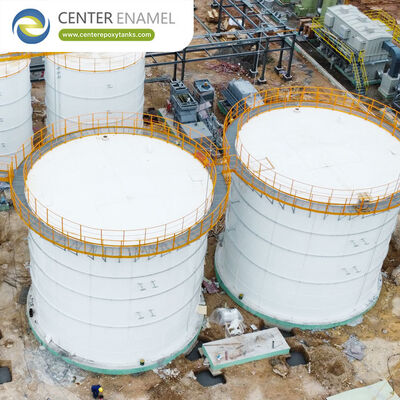
في مشهد البنية التحتية للمياه لعام 2026، يتطلب تأمين الصحة العامة مع تحسين ميزانيات البلديات أنظمة تخزين توازن بين نظافة المياه المطلقة ومتانة الهيكل على المدى الطويل.خزانات الفولاذ المكبس بالبوكسي المرتبط بالاندماج (FBE)وقد ظهرت كمعيار عالمي رئيسي لاحتواء مياه الشرب، وتوفير غير فعالة كيميائيا،البيئة التي لا تتدفق والتي تحافظ على جودة مياه الشرب من محطة التصفية إلى صنبور المستهلك.
1ما هو خزان مياه الشرب FBE؟
خزان المياه الشربية FBE هو نظام تخزين وحدات، محكّم حيث لوحات الصلب الكربوني الصناعي الصف المطبوعة المصنعة مع راتش إيبوكسي حرارية عالية الأداء.
على عكس الطلاءات السائلة التقليدية المطبقة في الميدان والتي يمكن أن تطلق المركبات العضوية المتطايرة (VOCs) أو تقشير مع مرور الوقت ،الايبوكسي المرتبط بالانصهارتتضمن هذه العملية تطبيق مسحوق البوليمر الجاف بشكل كهربائي على ألواح الصلب التي تم تسخينها مسبقًا إلى درجات حرارة بين180°C و 230°Cيذوب المسحوق ويتدفق ويتشابك كيميائيا لتشكيل حاجز وقائي لا ينفصم مرتبط بشكل دائم بالركن الصلب. وهذا ينتج كثافة عالية،غطاء داخلي زجاجي ناعم يمنع التآكل دون المساس بنقاء الماء.
2الأداء التقني: الحفاظ على جودة مياه الشرب
يتطلب تخزين مياه الشرب مواد لا تضع أي شوائب مع مقاومة المواد الكيميائية المستخدمة للحفاظ على مصادر المياه العامة آمنة.تكنولوجيا FBE تم تصميمها خصيصا لتلبية هذه المعايير الصحية العامة والتشغيلية:
صفر إفرازات كيميائية و محايدية أيونية
يجب أن تبقى مياه الشرب المخزنة خالية من التلوث الكيميائي. طلاءات FBE غير فعالة تمامًا ولا تطلق أيونات معدنية (مثل الحديد أو المنغنيز) أو مواد كيميائية عضوية في الماء.هذا يضمن أن الماء يحتفظ بتذوقه، وضوح، والامتثال الكيميائي طوال دورة الاحتفاظ.
مقاومة الكلور والمنتجات الجانبية للتطهير
تستخدم شبكات المياه البلدية المطهرات المتبقية مثل الكلور أو الكلورامينات لمنع نمو البكتيريا.يمكن لهذه الأكسدة تسريع تدهور أنظمة الطلاء القياسية والصلب غير المطلي. توفر طلاءات FBE استقرارًا كيميائيًا ممتازًا ، وتقاوم الآثار الأكسدة لتدفقات المياه المكلورة عبر تركيزات التوزيع البلدية القياسية.
تخفيف تراكم الطحالب والفيلم الحيوي
التشطيب الداخلي السلس وغير المسام في خزان FBE يقلل من الخامسة الدقيقة للسطح التي تسمح للبكتيريا والطحالب بالتمسك بجدران الحاوية.يمكن لمرافق المياه أن تقلل من حجم المطهرات الكيميائية المطلوبة للحفاظ على سلامة المياه، مما يقلل من تكوين المنتجات الجانبية للتطهير المنظم (DBPs).
100% اختبار عيد المصانع
في البنية التحتية العامة، يمكن أن يؤدي فشل الحبس المحلي إلى تلوث المياه أو انقطاع الخدمة.اختبار العطلاتفي المصنع لتحديد وإزالة أي ثقوب صغيرة أو خلل في الطلاء قبل التعبئة السطحية والشحن.
3مصفوفة المقارنة: FBE مقابل الخرسانة مقابل الزجاج المذاب إلى الفولاذ (GFS)
4المعايير الهندسية والامتثال العالمي
لتلبية اللوائح الدولية الصارمة لمياه الشرب ومرور مؤهلات المناقصات البلدية، خزانات مياه الشرب FBE الممتازة مثل تلك التي تم تصميمها من قبل قادة العالم مثلالميناميل المركزي (تكنولوجيا Shijiazhuang Zhengzhong)تتبع قوانين الهندسة والسلامة الصارمة:
-
NSF/ANSI 61 و WRAS:الشهادات النهائية للآثار الصحية التي تضمن أن الطلاء الذي يلامس الماء لا يسهم في تلوث أنظمة مياه الشرب.
-
AWWA D103-19:المعيار العالمي الرئيسي لمعايير تخزين السوائل من الفولاذ الكربوني
-
ISO 28765:2016:المعيار الدولي المحدد الذي ينظم جودة الطلاء عالية الأداء لاحتواء المياه والمياه العادمة.
-
ASCE 7-22 / رموز المباني المحلية:معايير الهندسة الهيكلية التي تضمن حسابات الخزان الوحدوي للصمود الزلزالي وحملات الرياح الشديدة تصل إلى250 كم/ساعة.
5زيادة عائد الاستثمار في البلديات من خلال التصميم الموحد
بالنسبة لمناطق المياه البلدية وشركات الهندسة ، فإن سرعة البناء وتعطيل الموقع هي المحركات الاقتصادية الرئيسية. تستخدم خزانات FBE المشددة طريقة تجميع من أعلى إلى أسفل معأنظمة الهيدروليكية المزامنة للقفزهذا يسمح بتجميع الألواح بأمان على مستوى الأرض دون بناء السقالات على ارتفاعات عالية أو لحام في الموقع ، مما يقلل من مواعيد التثبيت بنحو50%بالمقارنة مع الخرسانة المصبوبة في مكانها.
علاوة على ذلك،يقلل شكل الشحن المسطح من تكاليف الخدمات اللوجستية الدولية ويسمح بنقل مكونات التخزين عالية السعة بسهولة إلى المناطق النائية أو البصمات الحضرية المقيدة.
الاستثمار فيخزان مياه الشرب FBEيمثل خطوة مضادة للمستقبل نحو إدارة المياه البلدية القابلة للاستجابة. من خلال القضاء على مخاطر التشقق الهيكلي والتشرب من الخرسانة وتوفيرالبديل المقاوم للآثار للطلاء الزجاجيوتضمن تكنولوجيا FBE أن تبقى موارد المياه العامة نظيفة ومتواصلة وآمنة30 سنة.
هل تقوم حالياً بتصميم أو ترقية شبكة مياه الشرب البلدية، وهل ترغب في اقتراح تقني مفصل يتضمن الحجم والرسومات الهندسية،وحسابات الحمل الهيكلي لقدرة التخزين المطلوبة?