-
الزجاج المذاب إلى خزانات الفولاذ (596)
-
خزانات الفولاذ المقاوم للصدأ (434)
-
خزانات الإيبوكسي المستعبدة الانصهار (592)
-
خزانات الفولاذ المصنوعة من الصلب (321)
-
أسطح قبة الألومنيوم (1316)
-
خزانات تخزين مياه الصرف الصحي (231)
-
خزانات صلبة مصفحة (457)
-
أوعية الضغط (295)
-
الهاضم اللاهوائي (201)
-
خزانات المياه الصناعية (349)
-
خزانات فولاذية مغلفة بالزجاج (180)
-
خزانات الصلب المسدودة (390)
-
خزان تخزين الحمأة (115)
-
خزان تخزين الغاز الحيوي (173)
-
خزانات التخزين (133)
-
خزانات تخزين المياه الزراعية (179)
-
خزان مياه الحريق (166)
-
صوامع تخزين الحبوب (146)
-
مشاريع الغاز الحيوي (425)
-
مشاريع معالجة مياه الصرف الصحي (788)
-
سقف غشاء مزدوج (223)

|
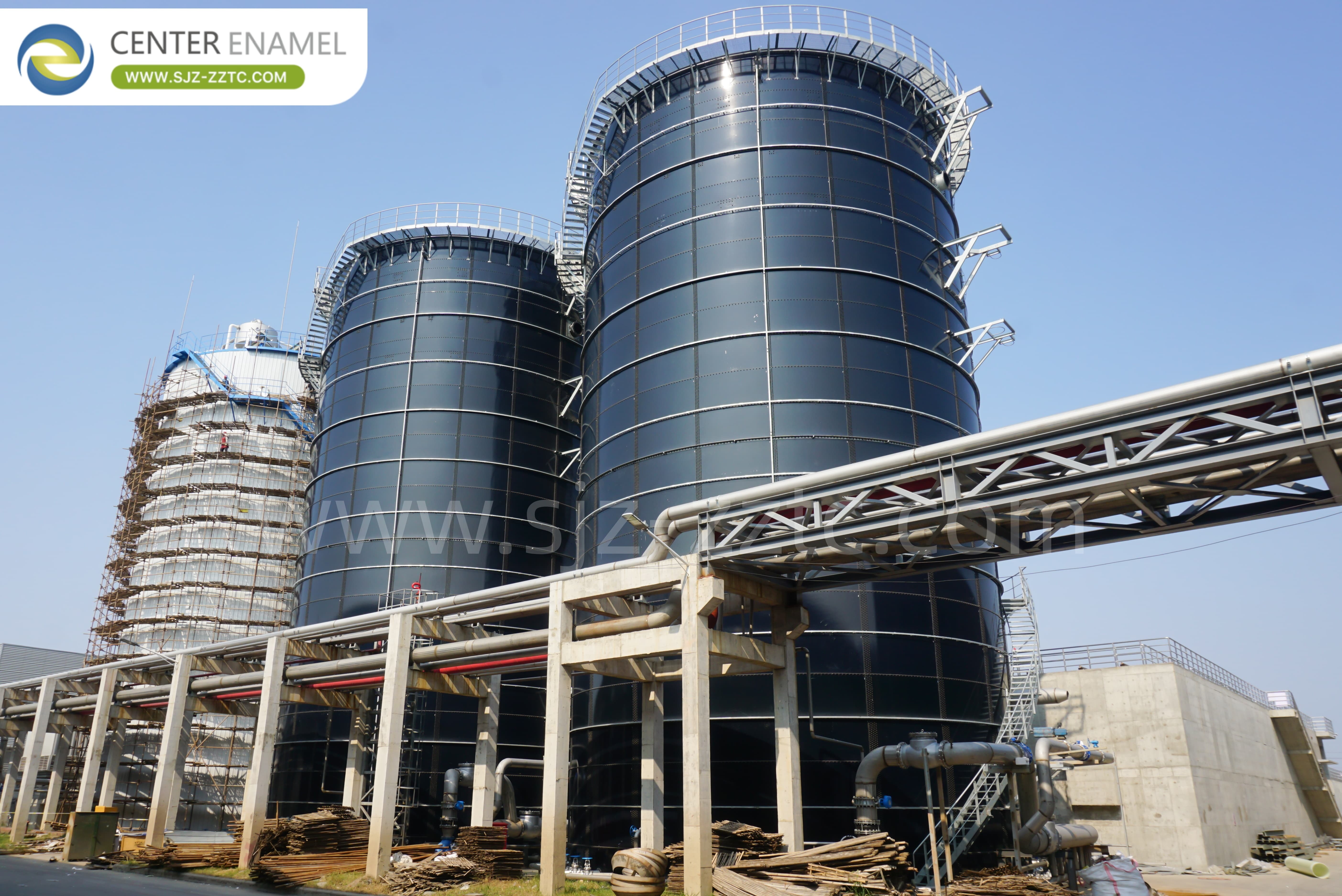
تكنولوجيات متقدمة منوعة للطاقة في تايلاند مشروعات غاز الحيوي لمعالجة المياه العادمة
| مكان المنشأ: | الصين |
| اسم العلامة التجارية: | CEC TANKS |
| إصدار الشهادات: | ISO 9001:2008, AWWA D103 , OSHA , BSCI |
| رقم الموديل: | دبليو |
| الحد الأدنى لكمية: | 1 مجموعة |
| الأسعار: | $5000~$20000 one set |
| تفاصيل التغليف: | رغوة البولي ايثيلين بين كل لوحتين من الصلب؛ لوح خشبي وخشبي |
| وقت التسليم: | 10-30 يومًا بعد استلام الودائع |
| شروط الدفع: | الاعتماد المستندي، تي/تي |
| القدرة على العرض: | 60 مجموعات شهريا |
|
معلومات مفصلة |
|||
| مكان المنشأ | الصين | اسم العلامة التجارية | CEC TANKS |
|---|---|---|---|
| إصدار الشهادات | ISO 9001:2008, AWWA D103 , OSHA , BSCI | رقم الموديل | دبليو |
| لون جسم الخزان: | أخضر داكن/يمكن تخصيصها | سلامة التآكل: | ممتاز |
| سمك ألواح الصلب: | 3 مم إلى 12 مم، يعتمد على هيكل الخزان | المقاومة الكيميائية: | ممتاز |
| حجم اللوحة: | 2.4 م * 1.2 م | سهل التنظيف: | أملس، لامع، خامل، مضاد للالتصاق |
| إبراز: | معالجة مياه الصرف الصحي بدون هواء تايلاند,مشروع الغاز الحيوي من مياه الصرف الصحي,تكنولوجيا الغاز الحيوي لمعالجة مياه الصرف الصحي |
||
وصف المنتج
تكنولوجيات متقدمة منوعة للطاقة في تايلاند مشروعات غاز الحيوي لمعالجة المياه العادمة
وباعتبارها واحدة من أبرز المصدرين الزراعيين في العالم، شهدت تايلاند توسعاً سريعاً في قطاعها الزراعي الصناعي، مدفوعاً بالطلب العالمي القوي والبنية التحتية الإقليمية المتقدمة للتجهيز.من بين المحاصيل الجذرية الرئيسيةفي تايلاند، تلعب الكاسوفا دوراً اقتصادياً حاسماً، حيث تدعم مجتمعات زراعية واسعة وتغذي شبكة ضخمة من المصانع الصناعية.تطبيقات ذات قيمة عالية بما في ذلك النشا الأصلي والمعدلومع ذلك ، فإن توسيع قدرات المعالجة يولد تدفقات هائلة من المنتجات الجانبية السائلة يوميًا.موازنة النمو الاقتصادي مع رعاية البيئة,وقد ظهرت تكامل التقنيات اللاهوائية المتقدمة كطريق حيوي يسمح للمصانع بالقضاء على الضغوط البيئية الشديدة مع تحويل النفايات الصناعية الثقيلة بنجاح إلى مواد موثوقةالطاقة المتجددة
مصادر ومخاطر بيئية لمياه الصرف الصحي من معالجة الكاسافا
إنتاج نشويات الكاسافا والإيثانول يتطلب كميات هائلة من المياه، مما يؤدي إلى توليد مستمر لمياه الصرف الصحي العضوية المعقدة المكتظة.المصادر الرئيسية لهذه المياه الصناعية تشمل::
مرحلة غسل الجذور وتقشيرها:يخلق القشرة الأولية وغسل الجذور كميات كبيرة من مياه الغسيل محملة بالتربة الثقيلة والرمل وألياف الجلد وجسيمات النشا الخام.
مرحلة استخراج النشا والفصل:عمليات السحق والاستخراج والفصل تطلق كثافة عاليةتدفق مياه الصرف الصحي الحمضية للغاية والتي تتميز بزيادة الطلب الكيميائي على الأكسجين (COD) وارتفاع إجمالي المواد الصلبة المعلقة (SS).
عندما يتم إطلاقها في النظم الإيكولوجية المحلية دون معالجة مناسبة، هذه المياه الصرفية الزراعية واسعة النطاق تشكل مخاطر حرجة على البيئة وصحة المجتمع.يتعرض للانهيار الهوائي السريع غير المنضبط، مما يؤدي إلى إطلاق كميات كبيرة من غاز الميثان ($CH_4$) وغازات الدفيئة الأخرى مباشرة في الغلاف الجوي.يمكن أن يتسرب السائل الحمضي للغاية والمركبات السامة الطبيعية مثل الجليكوزيدات السيانوجينية الموجودة في الكاسافا الخام إلى طبقات التربة المجاورةهذا يشكل خطرًا خطيرًا للتلوث لشبكات المياه الجوفية الثمينة ، مع إنتاج رائحة ضارة وتدمير الموائل المائية من خلال التهجير السريع.
كيف تتحول مياه النفايات من الكاسافا إلى غاز حيوي
تحويل مياه الصرف الصحي العضوية من الكاسافا إلى مياه نظيفة combustible bioenergy occurs through anaerobic digestion—a well-established biological sequence where specialized bacterial cultures degrade complex organic materials in a completely oxygen-free environmentهذا التسلسل الكيميائي الحيوي يعمل من خلال أربع مراحل بيولوجية متتالية:
تحليل الماء:يتم حل الهياكل العضوية الكبيرة المعقدة، بما في ذلك البوليمرات النشا المتبقية وألياف السليلوز، وتبسيطها إلى وحدات صغيرة قابلة للذوبان مثل السكريات البسيطة.
الحموضة:تقوم الكائنات الحية الدقيقة المنتجة للحمض بتخمير هذه المركبات القابلة للذوبان التي تم إنشاؤها حديثًا، وتحويلها إلى أحماض دهنية متقلبة (VFAs) ، وأحماض عضوية متنوعة، وأكحول بسيطة.
الاصطناع:تفكك البكتيريا الاصطناعية المتخصصة الأحماض الدهنية المتطايرة بشكل أكبر، وتحولها إلى حمض الخل، وغاز الهيدروجين ($ H_2$) ، وثاني أكسيد الكربون ($ CO_2$).
تكوين الميثانوجينزيس:في الخطوة الأخيرة، الأرخيا الميثانوجينية عالية الحساسية تتمثيل في حمض الخل والهيدروجين،إنتاج تيار غاز حيوي عالي الإنتاج يتكون أساسا من الميثان ($ CH_4$) وثاني أكسيد الكربون ($ CO_2$).
يمكن استخدام الغاز الحيوي الملتقط بعد ذلك لتوليد الكهرباء النظيفة ، وتوفير التدفئة الحرارية الصناعية لأفران تجفيف النشا ، أو تحديثه إلى بيوميثان مضغوط.
التقنيات اللاهوائية الأساسية: CSTR و UASB و USR و IC
اختيار إعداد نظام مناسب أمر حيوي لمعالجة الأحمال العضوية المتقلبة والمواد الصلبة العالقة المميزة لتدفقات نفايات معالجة الكاسوفا.يقدم مركز الزجاج الخبرة المتخصصة في أربع عمليات متباينة:
CSTR (مفاعل خزان مستمر)عملية CSTR تمثل خيارًا ممتازًا لإدارة تدفقات النفايات التي تحتوي على محتوى صلب كبير أو لب عضوي عالي الكثافة.أنظمتها الميكانيكية القوية للمزج تحافظ على بيئة متساوية تماما، معالجة بنجاح تكوين الرماد السطحي وضمان تحويل عضوي ثابت ومرتفع.
UASB (غطاء الوحل اللاهوائي الصعودي):عملية سريعة الاستجابة في المرحلة السائلة مناسبة بشكل مثالي لمياه الصرف الصحي من الكاسافا المُستقرة مسبقاًالطلب السريع على الأكسجين الكيميائي القابل للذوبان (COD) في تكوين محطة توفير المساحة.
يو إس آر (مفاعل المواد الصلبة)تم تكوينها خصيصًا لإدارة تدفقات النفايات ذات الكميات الكبيرة من المواد الصلبة المعلقة (SS). يعمل هذا التكوين عن طريق الاحتفاظ بالمواد العضوية الجسيمية داخل منطقة الهضم لفترة طويلة ،ضمان التقسيم الدقيق وإنتاج الغاز الحيوي المتفوق.
مفاعل IC (دورة داخلية):مفاعل عميق عالية الكفاءة من الجيل القادم يحتوي على حلقة تداول داخلية متكاملة من مرحلتين مدفوعة بواسطة الوقود الحيوي.إنه يتفوق في إدارة معدلات الحمولة العضوية الكثيفة بشكل استثنائي، مما يجعلها مناسبة لمصانع نشاطة الكاسافا الصناعية ذات الطاقة العالية.
مزايا خزانات الغاز الطبيعي في تايلاند مشروعات الغاز الحيوي للمياه العادمة
أداء أي مشروع غاز حيوي صناعي على المدى الطويل يعتمد بشكل مباشر على الموثوقية الهيكلية لمفاعلات الاحتواء الرئيسية.مركز المينا يتضمن خزانات الزجاج المدمج بالصلب (GFS) من الطراز العالمي لتوفير فوائد أداء لا مثيل لها في ظل ظروف صناعية صعبة:
الحماية الكيميائية والتآكل الاستثنائية:ينتج التدهور الجهازي لمياه الصرف الصحي الحمضية من الكاسافا الأحماض العضوية القاسية وغاز كبريتيد الهيدروجين (H_2S$) المآكل للغاية.قشرة الزجاج الخاملة التي تم صهرها على نواة اللوحات الفولاذية، طبقة عابرة للماء التي عزل تماما الفولاذ من التآكل الكيميائي، تفوق أداء الخرسانة التقليدية أو الصلب المطاوئ.
التكيف مع الظروف الرطبة والزلزالية:تظهر تايلاند متطلبات مناخية متنوعة، وارتفاع الرطوبة المحيطة، ومطر الرياح الموسمية الموسمية المكثفة، ومناطق زلزالية محلية.يمنح البناء المشدود لخزانات GFS مرونة هيكلية، مما يسمح للسفن بمقاومة أفضل للضغوط الزلزالية وتغيرات درجة الحرارة دون تطوير الشقوق الهيكلية.
التثبيت السريع في الموقع والخدمات اللوجستية:تم تصنيع خزانات GFS بشكل كامل في بيئة مصنعية خاضعة للرقابة ، يتم تسليمها بشكل وحداتي إلى موقع المشروع وترتيبها بسرعة باستخدام المقبضات المتخصصة.هذا يزيل المراحل الطويلة لتقوية الخرسانة ويقلل من متطلبات العمالة المحلية، وضمان تشغيل المشروع بسرعة.
البصمة الأرضية المثلى والقدرة على التوسع:توفر تخطيط الخزان الرأسي تخزينًا حجميًا واسعًا مع احتلال مساحة أرضية ضئيلة.هذا التصميم يجعل من السهل إضافة وحدات وحدات متطابقة بسلاسة مع زيادة قدرات المعالجة وحجم النفايات الواردة بمرور الوقت.
لماذا الشراكة مع مركز المينا لمشاريع الغاز الحيوي
يقدم اختيار مركز المينا كمتعهد متخصص في الهندسة والمشتريات والبناء مزايا تشغيلية وتكنولوجية واسعة النطاق:
حزم الهندسة المفتوحة:نحن نقدم خدمة شاملة لدورة حياة المشروع، وتشمل تصميم العملية البيولوجية المخصصة، تصنيع خزانات المعدات الدقيقة،وتشغيل نظام الأتمتة الذكية.
تصميم الحلول التقنية المخصصة:وإذ يدرك أن تكوين مياه الصرف الصحي يختلف بناءً على نطاقات الإنتاج وأساليب المعالجة الإقليمية،مهندسينا الخبراء يقومون بتكوين كل تخطيط لمصنع انابيروبي لتتوافق بدقة مع خصائص النفايات المحلية والمعايير البيئية الإقليمية.
مجموعة المعدات المتكاملة بالكاملوبالإضافة إلى إنتاج خزانات GFS الممتازة، فإننا نصمم ونستخدم مكونات عملية حاسمة، مثل حاملات الغاز ذات الغشاء المزدوج، وأنظمة خلط مصممة خصيصًا، ووحدات تنقية الغاز الحيوي المتقدمة.
سجل حافل للمشروع العالمي:مع نظام تخزين ومعالجة بنجاح في أكثر من 100 بلدمركز المينا ينسجم بشكل فعال بين الابتكارات العالمية في مجال التحول من النفايات إلى الطاقة مع المعايير المحلية والمتطلبات المناخية في جنوب شرق آسيا.
دراسات حالة المشروعات المثبتة في الصناعة
يتم إظهار قدرات التصميم العالمية لـ Center Enamel ومعايير الهندسة القوية من خلال المنشآت الدولية الكبرى لتحويل النفايات إلى طاقة:
الحالة 1: مشروع الغاز الحيوي الكندي
أبعاد الخزان: φ8.4 × 7.2 م (H) 2 وحدة
الحجم الإجمالي: 798 م3
تاريخ الانتهاء: 2024
الحالة2: مشروع الغاز الحيوي في إندونيسيا
تطبيق خزان: محطة معالجة مياه الصرف الصحي لزيت النخيل
نموذج الخزان: Ø19.86 × 8.4 م
عدد الخزانات: 3 خزانات GFS
التثبيت: 7 موظفين، 40 يوماً
تاريخ التثبيت: نوفمبر 2009
إن تطوير البنية التحتية المعاصرة والمستدامة أمر ضروري حيث تكثف تايلاند التزامها بالنمو الاقتصادي الأخضر، والامتثال الصارم للتصريف الصناعي، واستعادة الموارد المستدامة. Constructing specialized cassava processing wastewater biogas projects based on advanced anaerobic technologies and high-grade Glass-Fused-to-Steel (GFS) tanks provides commercial starch processors and municipal authorities with a highly reliable، طريقة مربحة لحل تحديات النفايات البيئية.
من خلال تشكيل شراكة استراتيجية مع مركز الزجاج، الأطراف المعنية البلدية والصناعية تأمين الوصول المباشر إلى هندسة العمليات على مستوى عالمي، التكوينات المضادة للهواء المثبتة في الميدان،وأنظمة احتواء مرنةهذا النهج الشامل يلبي بسهولة الالتزامات البيئية المحلية الصارمة، ويقلل إلى حد كبير من النفقات اليومية للتخلص من النفايات،وتنتج مصدر موثوق به من الطاقة النظيفة، مما يضمن تحقيق أهداف حماية البيئة في تايلاند على المدى الطويل والطاقة المتجددة بنجاح.