-
الزجاج المذاب إلى خزانات الفولاذ (596)
-
خزانات الفولاذ المقاوم للصدأ (434)
-
خزانات الإيبوكسي المستعبدة الانصهار (592)
-
خزانات الفولاذ المصنوعة من الصلب (321)
-
أسطح قبة الألومنيوم (1336)
-
خزانات تخزين مياه الصرف الصحي (232)
-
خزانات صلبة مصفحة (457)
-
أوعية الضغط (295)
-
الهاضم اللاهوائي (202)
-
خزانات المياه الصناعية (349)
-
خزانات فولاذية مغلفة بالزجاج (180)
-
خزانات الصلب المسدودة (389)
-
خزان تخزين الحمأة (115)
-
خزان تخزين الغاز الحيوي (173)
-
خزانات التخزين (133)
-
خزانات تخزين المياه الزراعية (179)
-
خزان مياه الحريق (166)
-
صوامع تخزين الحبوب (146)
-
مشاريع الغاز الحيوي (424)
-
مشاريع معالجة مياه الصرف الصحي (1058)
-
سقف غشاء مزدوج (223)


|
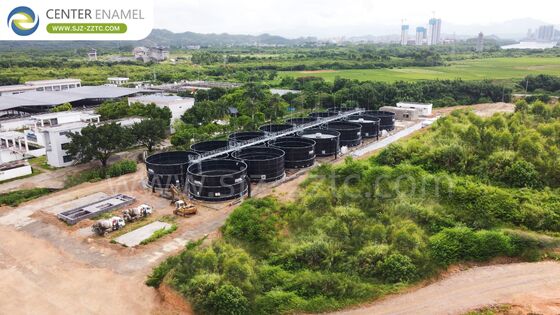
مشروع الغاز الحيوي لمياه الصرف الصحي لمزارع الخنازير باستخدام خزانات GFS وعملية CSTR في تايلاند
| مكان المنشأ: | الصين |
| اسم العلامة التجارية: | CEC TANKS |
| إصدار الشهادات: | ISO 9001:2008, AWWA D103 , OSHA , BSCI |
| رقم الموديل: | دبليو |
| الحد الأدنى لكمية: | 1 مجموعة |
| الأسعار: | $5000~$20000 one set |
| تفاصيل التغليف: | رغوة البولي ايثيلين بين كل لوحتين من الصلب؛ لوح خشبي وخشبي |
| وقت التسليم: | 10-30 يومًا بعد استلام الودائع |
| شروط الدفع: | الاعتماد المستندي، تي/تي |
| القدرة على العرض: | 60 مجموعات شهريا |
|
معلومات مفصلة |
|||
| مكان المنشأ | الصين | اسم العلامة التجارية | CEC TANKS |
|---|---|---|---|
| إصدار الشهادات | ISO 9001:2008, AWWA D103 , OSHA , BSCI | رقم الموديل | دبليو |
| لون جسم الخزان: | أخضر داكن/يمكن تخصيصها | سلامة التآكل: | ممتاز |
| سمك ألواح الصلب: | 3 مم إلى 12 مم، يعتمد على هيكل الخزان | المقاومة الكيميائية: | ممتاز |
| حجم اللوحة: | 2.4 م * 1.2 م | سهل التنظيف: | أملس، لامع، خامل، مضاد للالتصاق |
| إبراز: | مشروع الغاز الحيوي لمزرعة خنازير,خزانات GFS معالجة مياه الصرف الصحي,عملية CSTR الغاز الحيوي تايلاند |
||
وصف المنتج
تقدم هذه المقالة لمحة شاملة عن أطر المعالجة البيولوجية المتقدمة المصممة لتحويل النفايات الزراعية إلى طاقة نظيفة ومتجددة.
تايلاند لديها قطاع تربية الخنازير سريع التوسع الذي يولد كميات هائلة من المياه العضوية عالية القوة يوميا.مياه الغسل، والبقايا الغذائية، مما يؤدي إلى تركيزات عالية للغاية من الطلب الكيميائي على الأكسجين، الطلب البيولوجي على الأكسجين، والمواد الصلبة المعلقة.إن إدارة هذا الحمل العضوي الثقيل تشكل تحديات بيئية خطيرة للمشغلين الزراعيين المحليينإطلاق السماد غير المعالجة أو غير المعالجة بشكل كاف مباشرة في قنوات المياه المحلية يؤدي إلى تآكل شديد، وانخفاض الأكسجين، وانبعاثات رائحة قوية.البحيرات المفتوحة التقليدية تتطلب مساحات شاسعة من الأرض، توفر سيطرة سيئة على الروائح، وتفشل في تلبية اللوائح البيئية الوطنية الصارمة بشكل متزايد، مما يجعل أنظمة معالجة مغلقة حديثة ضرورية.
تحويل مياه الصرف الصحي من الماشية إلى غاز حيوي متجدد يعتمد على عملية هضم انابوبيكية متعددة المراحل التي تدفعها الكائنات الحية الدقيقة المتخصصة.تتحلل المركبات العضوية المعقدة عن طريق التحلل المائيفي البداية، تقوم الإنزيمات خارج الخلية بتحليل الجزيئات الكبيرة غير القابلة للذوبان إلى أحاديات قابلة للذوبان.البكتيريا التي تشكل الأحماض ثم تحويل هذه المونومرات إلى أحماض دهنية متقلبةبعد ذلك، البكتيريا الاصطناعية تحول هذه الأحماض إلى أسيتات، هيدروجين، وثاني أكسيد الكربونالأرخيا الميثانوجينية الاضطرابية الصارمة تحويل هذه المواد المتوسطة إلى غاز الميثان وثاني أكسيد الكربونهذه العملية الاستقرارية البيولوجية تدمر بنجاح مسببات الأمراض، وتقلل من عبء التلوث البيئي، وتحتجز غاز الميثان القيم لاستخدام الطاقة في الموقع.
تصميم منشأة زراعية موثوقة وفعالة لتحويل النفايات إلى طاقة يتطلب خبرة تقنية عالية المستوى،والالتزام الصارم بمعايير التصنيع العالميةتقدم "سينتر إيميل" حلول مشروع غاز حيوي عالية الأداء ومصممة خصيصًا للمناخات الاستوائية ومقاييس المزارع المحددة.فريقنا الهندسي متعدد التخصصات يتعامل مع كل شيء من حسابات توازن الكتلة الأولية وتخطيط العملية إلى التصميم الهيكلي وتكامل التحكم الآليمن خلال الجمع بين تقنيات الاحتواء المتقدمة المقاومة للتآكل مع حزم العمليات القويةنحن نضمن أقصى قدر من غاز الميثان واستدامة الهيكل على المدى الطويل بما يتماشى مع المعايير الدولية الرئيسية مثل AWWA D103، ISO 9001 ، NSF / ANSI 61 ، و ISO 28765
في مركز نظام المعالجة الالتهاب الحيوي هو مفاعل الخزان المتداخل المستمر، الذي يعمل كوعاء تفاعل بيولوجي أساسي لتحقيق الاستقرار في النفايات العضوية.تكفل تكنولوجيا CSTR مزج أساسات التخمير والكائنات الدقيقة الحيوية الحساسة النشطة بشكل شامل ومستمر في بيئة مغلقةمجهزة بمجموعة ميكانيكية متقدمة للمزج مع المسابح الداخلية، وعوارض المزج القوية، وأجهزة كسر القشرة،يحافظ المفاعل على درجة حرارة موحدة ونظام تغذية مستمر أو شبه مستمرهذا يمنع الطبقات الحرارية وتشكيل القشرة العائمة، مما يسمح لمياه الصرف الصحي عالية التركيز مع المواد الصلبة المعلقة الثقيلة أن تخضع للهضم الكامل.مدعومة بعناصر أمان متكاملة مثل حماية الضغط الإيجابي والسلبي.
لتحمل الظروف التآكلية العالية المميزة لهضم دبابات الماشية ، تتطلب أوعية التفاعل الأولية تقنيات معدنية وتغطية متقدمة. Center Enamel manufactures industry-leading Glass-Fused-to-Steel (GFS) tanks by fusing specially formulated inorganic glass frit onto high-strength steel plates at extreme temperatures between 820°C and 930°Cهذا الهيكل مزدوج الطلاء يجمع بين القوة الهيكلية للصلب مع المقاومة الكيميائية الاستثنائية للزجاج ، مما يلغي مخاطر التآكل.سقف غشاء مزدوج متكامل يوفر الحل الأمثليحتوي على غشاء داخلي لتخزين الغاز وغشاء خارجي لحماية الطقس يتم تنظيمه بواسطة أجهزة تحكم أوتوماتيكية لضغط الهواءهذا الإعداد يزيد من كفاءة المساحة ويضمن الصمود الكامل للغاز.
تتطلب المراحل المختلفة لمصنع الهضم اللاهوائي هياكل احتواء متخصصة وتكوينات غطاء مصممة خصيصًا لمتطلبات تشغيل محددة.صناعة مركز المينايل مجموعة متنوعة من خزانات التخزين البديلة، بما في ذلك خزانات الفولاذ المغلفة المعالجة بطبقة حماية من الزنك دائمة ، خزانات إيبوكسي المرتبطة بالاندماج (FBE) التي تم تطويرها بالتعاون مع AkzoNobel للحواجز الكيميائية السلسة ،و خزانات الفولاذ المقاوم للصدأ (AISI 304/316) مبنية لتحمل المقاومة الكيميائية القصوىلاستكمال هذه السفن، خيارات السقف الشاملة لدينا تشمل أسطح القبة الجيوديسية الألومنيومأسطح السطح المكونة من سبيكة الألومنيوم للحمية من مياه الأمطار غير الصلبة، أسطح الفولاذ المقاوم للصدأ للبيئات الصناعية القاسية، وأسطح FRP متوفرة في تصاميم قبة أو مسطحة لتخزين المياه الزراعية.
تتطلب محطة غاز حيوي زراعية تعمل بشكل كامل مجموعة متزامنة من المعدات المساعدة لإعداد المواد الخام وتطهير الغاز وإدارة الصرف.شاشات الشريط الميكانيكية إزالة في البداية الحطام الضخم الكبير من تدفق الخاممخازن التجانس توازن اختلافات التدفق قبل دخول نظام CSTR.منفصلات الصلب السائل تقسم ميكانيكياً الخصب المخمر إلى الأسمدة العضوية الليفية والخصب السائل للتطبيق الزراعي أو تخزين بركة فيلم أسودتوفر حاويات الغاز قدرة تخزين غاز ثانوية. تقوم خزانات التجفيف والإزالة من الكبريت بإزالة الرطوبة و كبريتات الهيدروجين التآكلية من تيار الغاز الحيوي.المروحة المحفزة تحافظ على ضغط الغاز المستقر، في حين أن أجهزة قياس التدفق تتبع الناتج الحجمي. وأخيراً ، فإن أنظمة الشعلة والغلايات ومولدات الغاز الحيوي عالية الكفاءة أو أنظمة الغاز الطبيعي المكثف تحول الغاز المطهر إلى طاقة حرارية وكهربائية مفيدة.
تعمل "سنتر إيميل" كمزود حلول شاملة من محطة واحدة، لتبسيط دورة حياة كاملة لمرافق الغاز الحيوي الصناعية والزراعية.قاعدة تصنيع تبلغ مساحتها 000 متر مربع، مع قدرة إنتاجية سنوية تزيد عن 250،000 ورقة، ونحن ندعم العملاء في أكثر من 100 دولة في جميع أنحاء العالم.وتوريد المعدات المباشرمن خلال الإشراف على كل مرحلة من المشاريع من تصميم المفهوم والتصنيع الدقيق إلى بناء الموقع واختبار وتدريب المشغلينوتضمن أداء محطة موثوق به تلبي المعايير البيئية الدولية.
تحويل مياه المواشي إلى طاقة نظيفة متجددة يوفر مسارًا مستدامًا للزراعة الحديثة.ومعدات استغلال الغاز الشاملة، يمكن للمزارع القضاء على مخاطر التلوث مع تحقيق استقلالية الطاقة طويلة الأجل.
ما هي المزايا الهيكلية التي تقدمها خزانات GFS على الهياكل الخرسانية التقليدية في مشاريع الغاز الحيوي في مزارع الخنازير؟
توفر خزانات الزجاج المدمج بالصلب مقاومة متفوقة للأحماض العضوية التآكلية وكبريتيد الهيدروجين، في حين أن الهياكل الخرسانية عرضة للغاية للهجوم الحمضي والشقوق وتسرب السائل.بالإضافة إلى، تحتوي خزانات GFS على تثبيت وحدات سريع ، وانخفاض تكاليف الصيانة في دورة الحياة ، ومدة حياة تشغيلية مطولة تزيد عن ثلاثين عامًا.
كيف يمكن لجهاز الفصل الصلب السائل تحسين إدارة الدهون المخمرة المخمرة في مصانع النفايات الحيوانية؟
فاصل السائل الصلب يستخرج آلياً الأسمدة العضوية الصلبة من السائل المهضوم، مما يجعل الجزء الصلب سهلاً النقل والتسويق.يمكن توجيه الجزء السائل بأمان إلى الأراضي الزراعية أو برك التخزين المساعدة، مما يقلل بشكل كبير من الاحتياجات الإجمالية للمرافق للتخزين.
ما هو الغرض التشغيلي لخزان إزالة الكبريت داخل قطار تنقية الغاز الحيوي؟
خزان إزالة الكبريت يزيل غاز كبريتيد الهيدروجين التآكل الموجود في الغاز الحيوي الخام من خلال أساليب الأكسدة الكيميائية أو البيولوجية ، وحماية المكونات في الأسفل مثل مروحي المكبرات ،غازات الغاز، ومحركات المولدات من التآكل المبكر والتآكل.